One tetrapeptide. One target tissue. One vial.
Cardiogen comes out of the short-peptide bioregulator tradition, a research approach built on the idea that very short amino acid sequences can act as tissue-specific signals, nudging the gene expression of the cell types they correspond to. Where other sequences in the family map to the pineal gland, thymus, or vasculature, Cardiogen maps to the myocardium. It is not a growth factor and it is not a cardiac drug in the pharmacological sense. It is studied as a regulatory signal directed at the cells that keep heart tissue maintained over a lifetime.
What Cardiogen Is
Cardiogen is a synthetic tetrapeptide composed of alanine, glutamic acid, aspartic acid, and arginine (Ala-Glu-Asp-Arg, written AEDR). It was developed at the St. Petersburg Institute of Bioregulation and Gerontology as part of the systematic short-peptide program run by Vladimir Khavinson, the same research lineage behind Epitalon, Pinealon, Vilon, Testagen, Vesugen, and Cartalax. Cardiogen is the sequence assigned to cardiac tissue.
The proposed mechanism is what separates this family from conventional cardiac peptides. Molecules like ANP and BNP work through cell-surface receptors and produce measurable hemodynamic effects. Bioregulators are studied on a different premise entirely: that a peptide this short can enter the cell, reach the nucleus, and interact with regulatory regions of DNA in a tissue-selective way, influencing which genes get transcribed rather than triggering an immediate physiological response. For Cardiogen, published work from that program centers on cardiomyocyte differentiation markers, extracellular matrix composition in heart tissue, and age-related shifts in cardiac gene expression.
One compound, one line to read. The certificate on this page is run on the lot in the vial: an HPLC purity figure for Cardiogen, with the chromatogram behind it. Read the purity line, then check the lot number against the label.
Every lot is tested before it is listed, and the certificate is replaced when a new lot goes on the shelf.
A single tetrapeptide studied as a tissue-specific signal for heart muscle and the tissue that supports it.
What's in the Vial
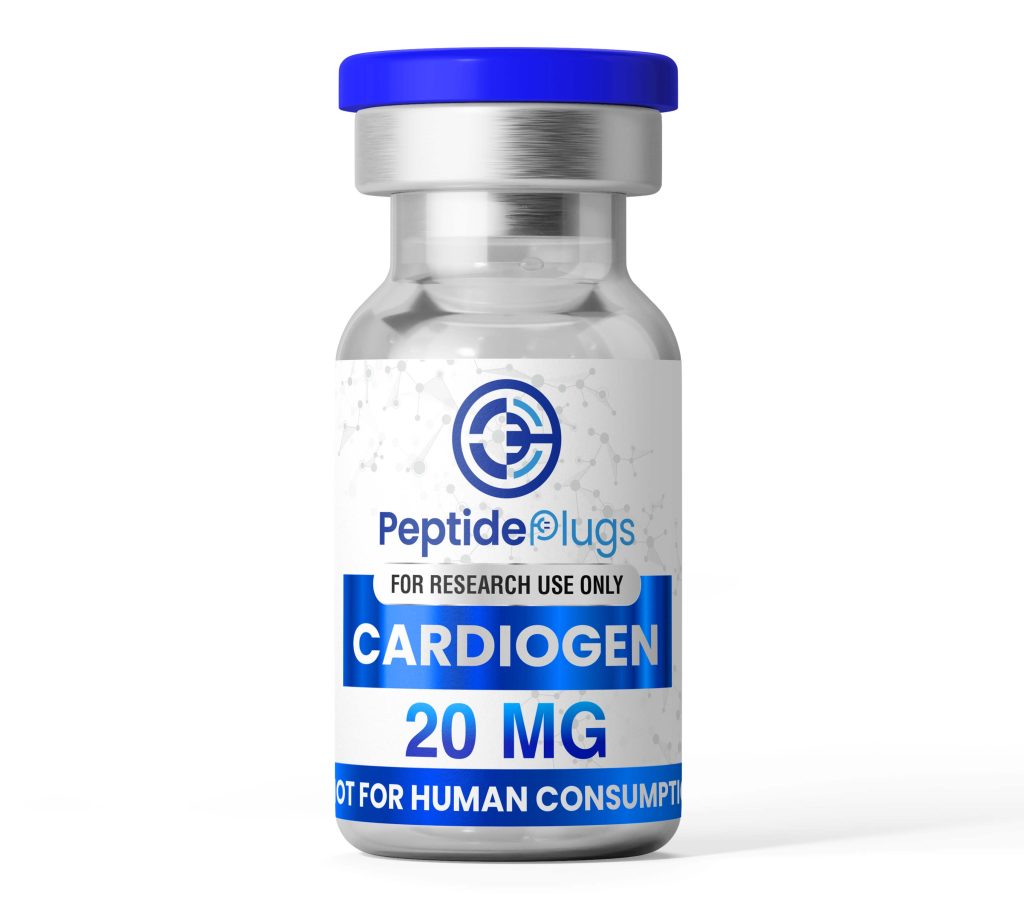
One lyophilized vial containing 20mg of Cardiogen (Ala-Glu-Asp-Arg). Tested for purity by third-party HPLC analysis. COA available on this product page.
One Residue Apart
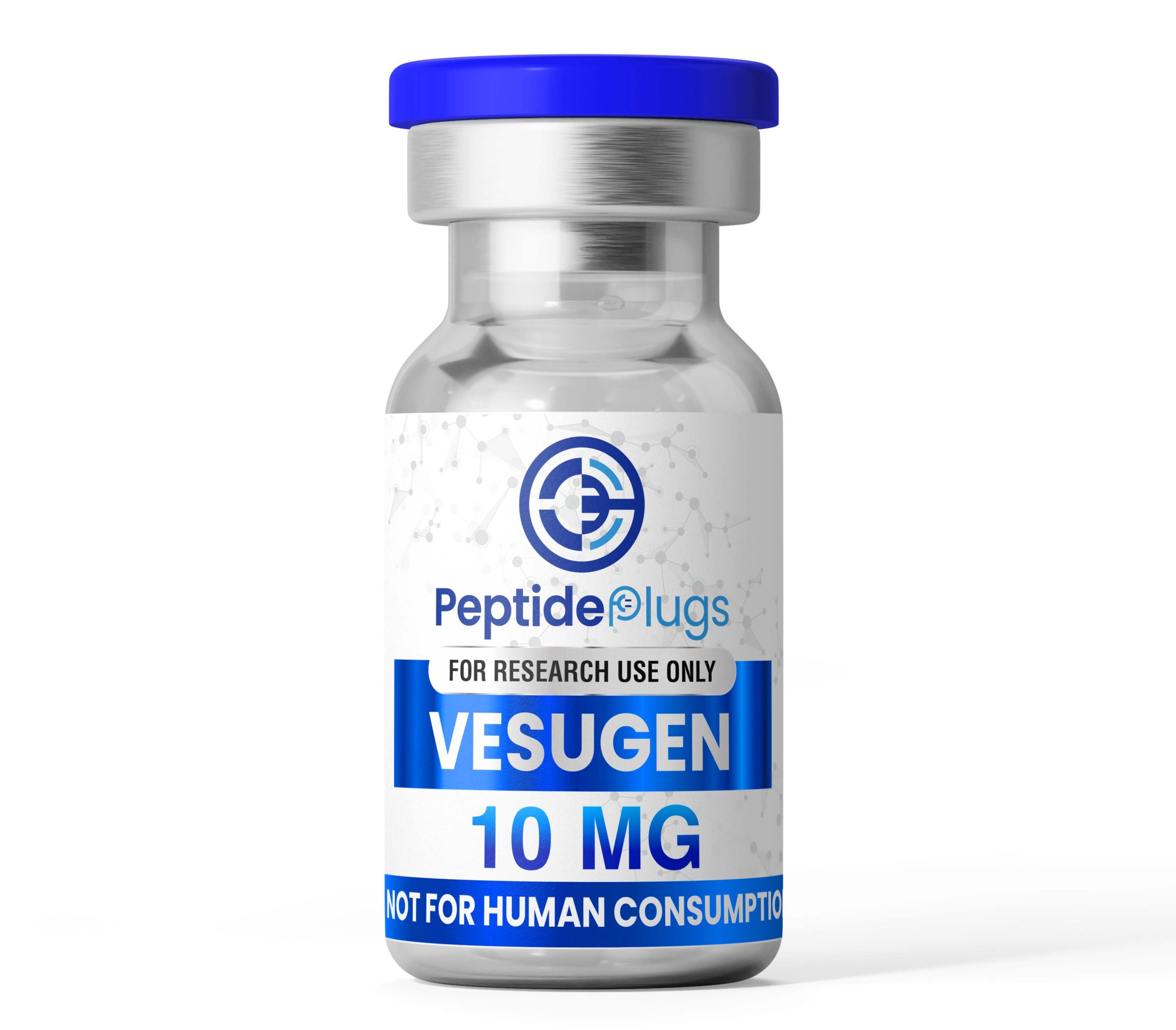
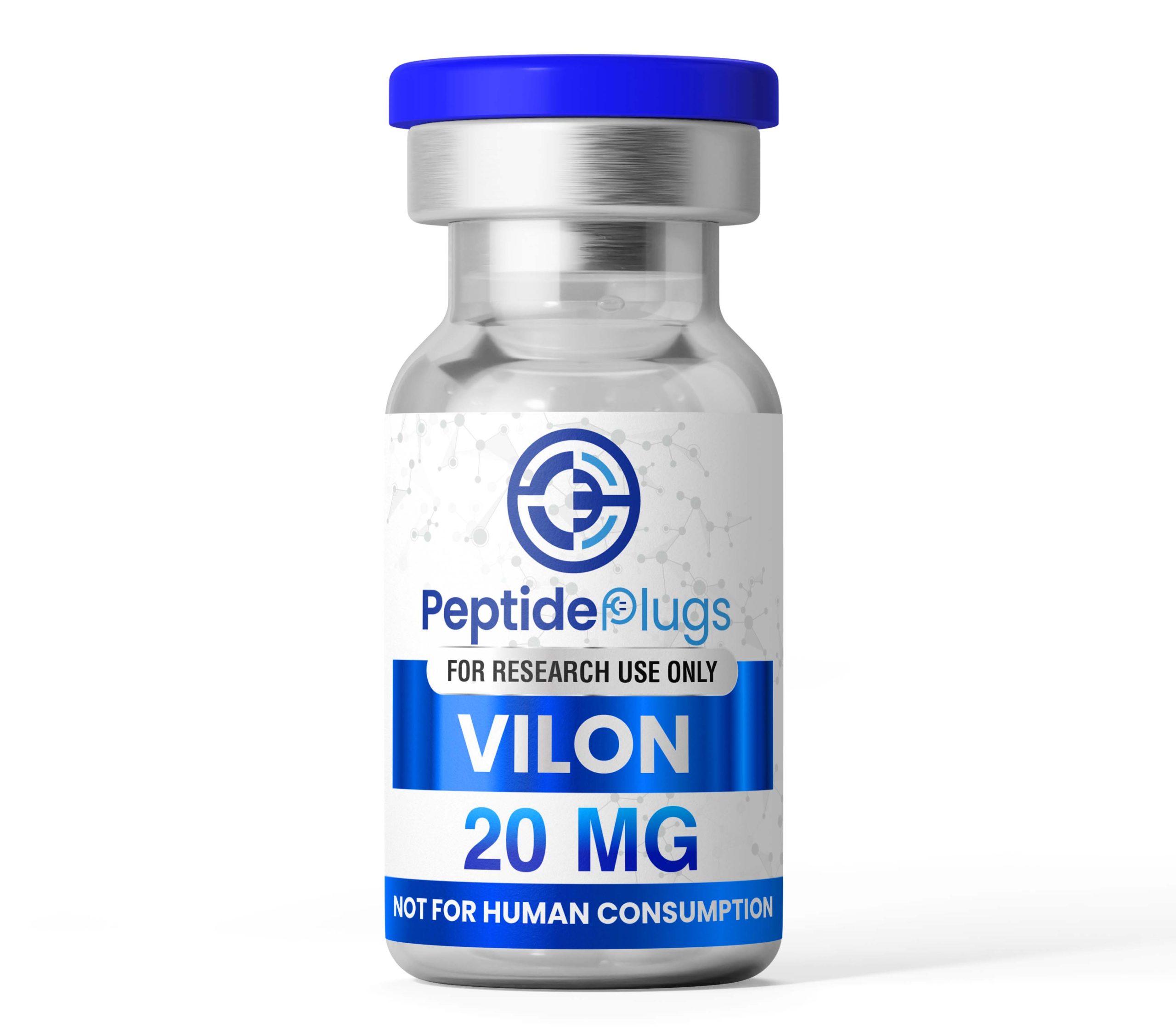
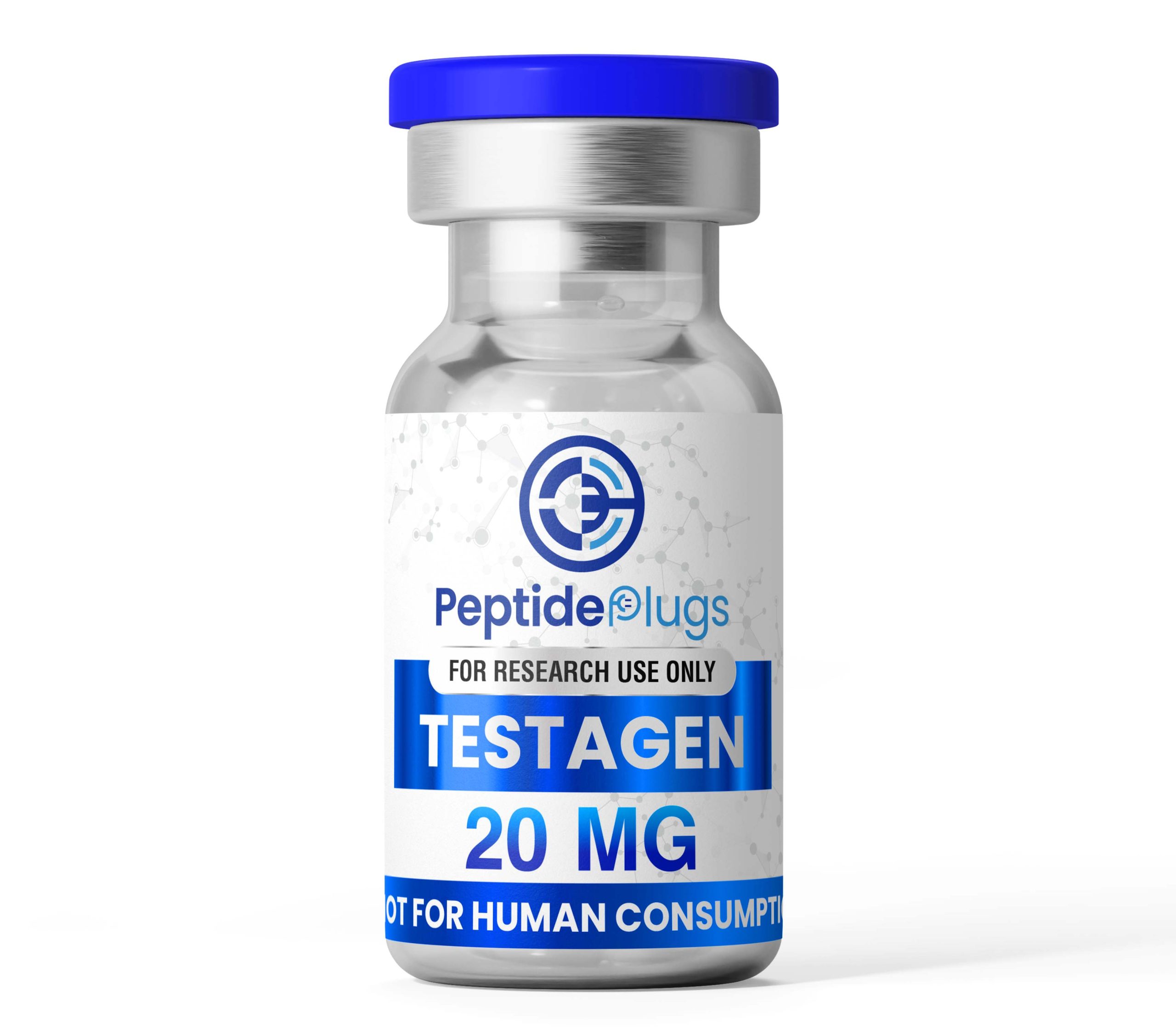
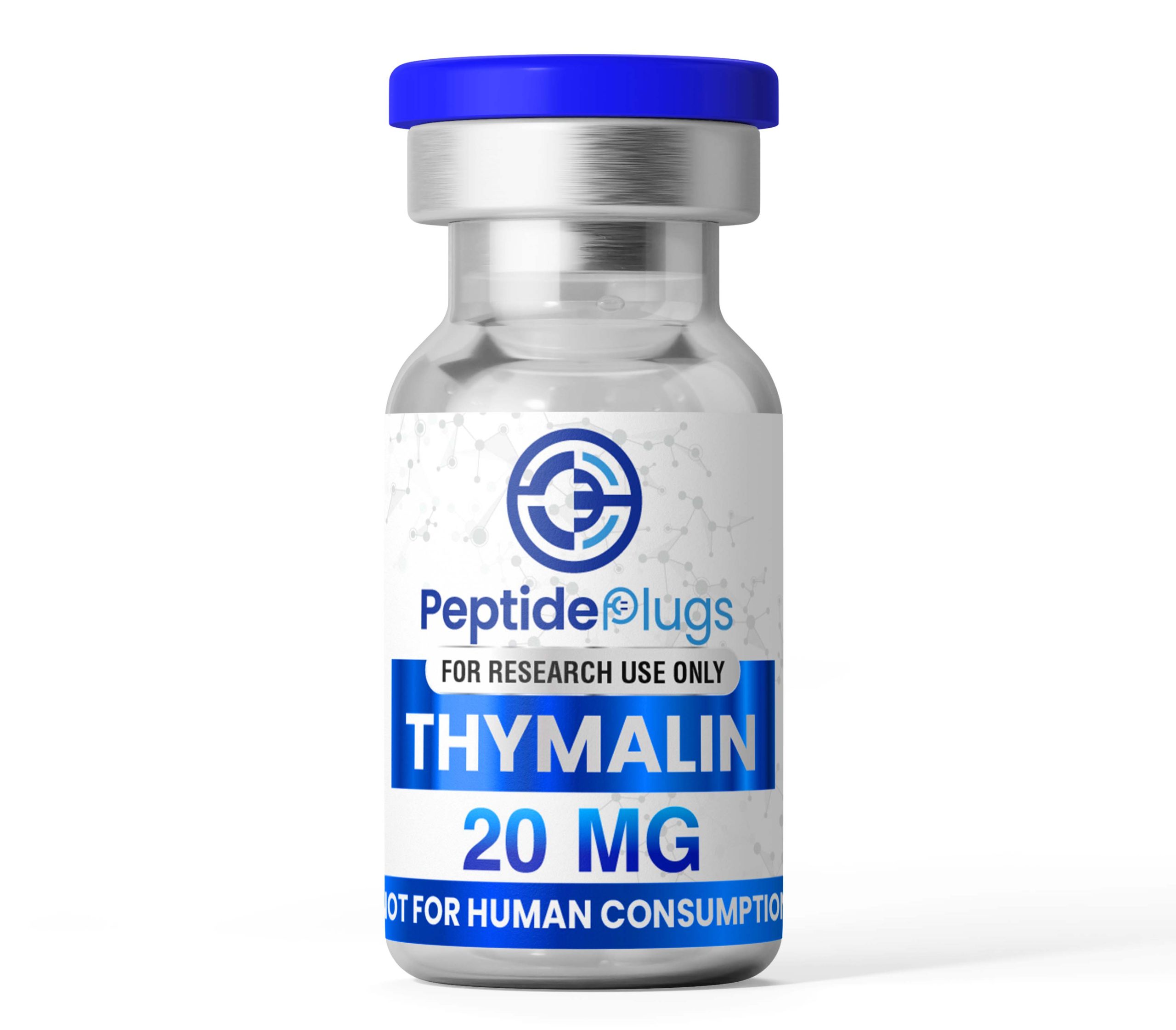
Cardiogen belongs to the AED branch of the bioregulator family, a set of sequences that share the same Ala-Glu-Asp core and differ only in what sits at the end of the chain. That one terminal residue is what the research tradition credits with changing the target tissue, and seeing the family lined up makes the logic of the whole system obvious at a glance.
Whether a single terminal amino acid can really steer a peptide to one organ is exactly the claim the bioregulator literature is built on, and it is the part of the model that has drawn the most scrutiny from outside the program. Researchers working in this space should know that going in.
Why the Heart Gets Its Own Peptide
Cardiac muscle is a poor candidate for repair. Adult cardiomyocytes renew at a rate low enough that the heart is effectively working with the cells it has, and when tissue is lost it is generally replaced by fibrous scar rather than functional muscle. That structural reality is why so much cardiac aging research focuses on maintenance and remodeling instead of regeneration, and it is the reason the bioregulator program assigned the myocardium a dedicated sequence rather than folding it into a general vascular or muscular peptide. Cardiogen exists because heart tissue does not follow the rules that repair-focused peptides were studied against.
About the Name
"Cardiogen" follows the bioregulator naming convention where the target tissue is carried in the name itself. The "Cardio" root points at the heart, and the "gen" suffix marks it as a synthesized sequence rather than a tissue extract, the same distinction that separates Testagen and Vesugen from the natural peptide complexes that preceded them. In the original program each synthetic peptide had a natural counterpart isolated from tissue, and for Cardiogen that counterpart is the cardiac peptide complex Chelohart. The name tells a researcher which tissue and which generation of the research they are looking at before a single line of the literature is read.
Research Context
Cardiogen comes from the same research lineage as the rest of the short peptide bioregulators, a body of work developed over decades in St. Petersburg and focused on tissue-specific peptide signaling and aging. Most of the available data comes from cell culture and animal models examining cardiomyocyte differentiation, matrix composition, and gene expression in aged cardiac tissue, with the primary publications appearing in Russian journals through the 1990s and 2000s.
The honest picture is that this evidence base is narrow. Independent replication outside the founding institute is limited, and there is no modern clinical trial data supporting the compound. The proposed mechanism, short peptides reaching the nucleus and influencing transcription, is chemically plausible and has drawn genuine interest, but plausibility is not the same as demonstration. Cardiogen is not FDA-approved for human use, and researchers working with it are operating inside a niche but internally consistent research tradition rather than a broad international evidence base.
Stacking Notes
In bioregulator research, short peptides are typically studied in tissue-matched combinations rather than alone. The most common pairing for Cardiogen is Vesugen, on the logic that heart muscle and vascular tissue are two halves of one system and each has its own assigned sequence. Broader designs add Epitalon or Pinealon when the research question spans systemic aging rather than a single organ. No published data exists on Cardiogen combined with other compounds, and combination use is a community research pattern rather than an established protocol.
Storage
Store the lyophilized product refrigerated and away from light. Keep sealed and protected from moisture until use. Do not freeze.